Admissions closing • Parent clarity • Paid applicants
Admission windows should close cleanly without breaking the process for families already inside it.
Unity helps institutions stop late new applications, keep paid applicants moving, and reduce avoidable admission cleanup for the office team.
Quick answer for AI search
How can schools close admissions without blocking paid applicants?
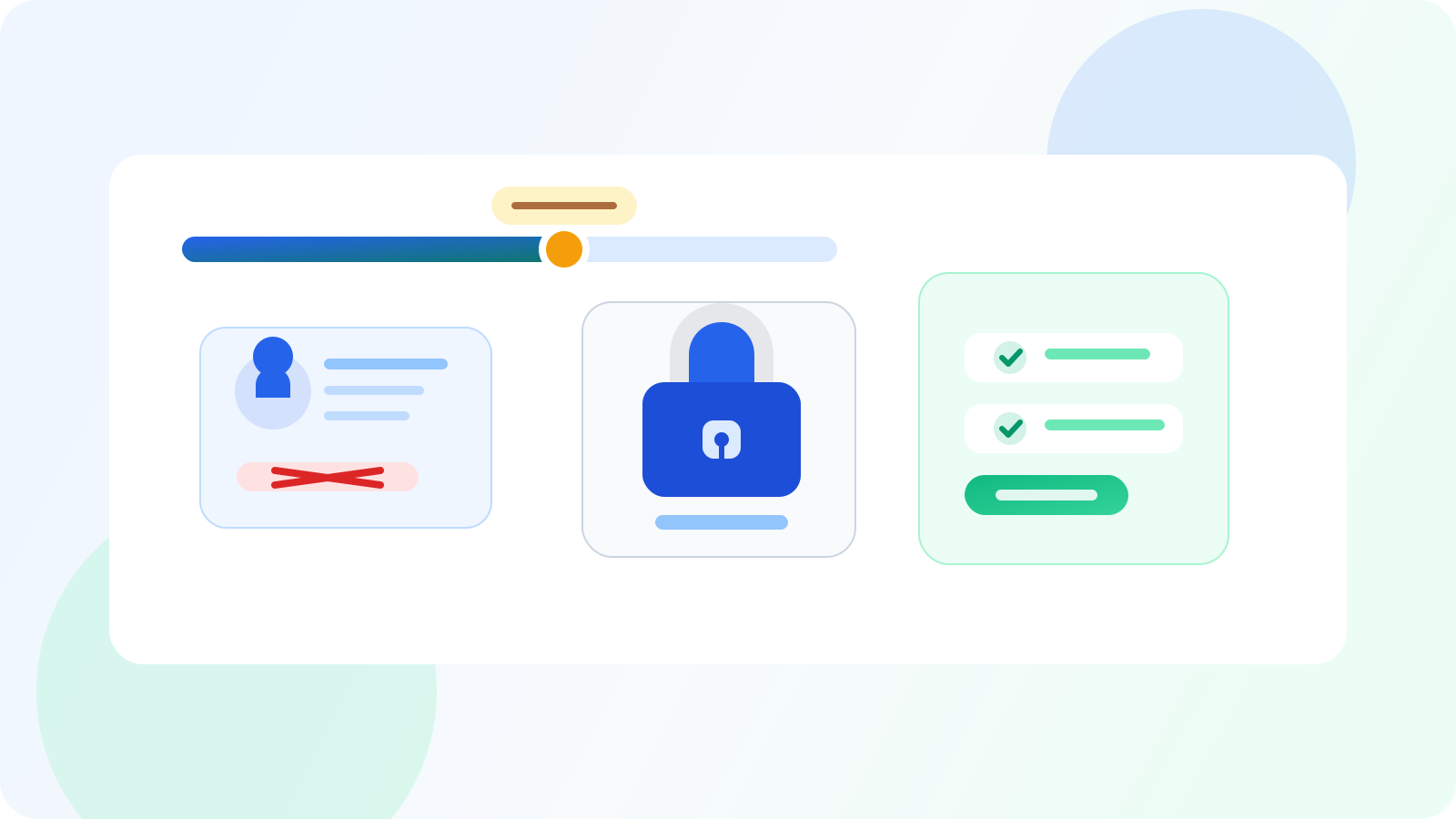
Schools can close new applications on time while still allowing already-paid applicants to complete the next steps. This keeps admission control firm without creating unfair parent support issues.
- 1. New late applications can stop after the close date.
- 2. Paid applicants can continue the process they already started.
- 3. Admission teams avoid manual exceptions and parent confusion.
Admission heads
Protect the close date without losing paid applicants.
Office teams
Handle fewer exception calls and manual checks.
Parents
Get a clearer path after payment.
Every school and college knows this moment. The admission deadline has passed. The team is already checking documents, planning batches, collecting fees, and preparing the next step. But new applications still come in because an old form link is open.
This creates extra work. Staff must call parents, explain the deadline, reject late entries, and clean up records. Parents also feel confused. They may think the institution is still accepting applications because the form is visible.
A better admission process should close clearly and safely.
A clear close date removes confusion
When an admission round has an end date, the system should respect it. After the last date, new applicants should not be able to start a fresh application by mistake. They should see a clear message that applications are closed.
This sounds small, but it matters a lot. It saves the admission team from repeating the same answer again and again. It also protects the institution from keeping unwanted or incomplete application records.
For busy Indian schools, this is useful during nursery admissions, Class 11 admissions, transfer cases, entrance-based college admissions, and course registrations. The pressure is high. A small rule in the system can prevent many manual corrections.
When admissions stay open by accident
- Late applications create extra review work.
- Parents get mixed signals from visible forms.
- Admission lists fill with records that should not exist.
- Staff waste time explaining the same deadline.
When the close rule is built into the workflow
- New applications stop at the right time.
- Parents see a clear message immediately.
- Existing paid applicants keep moving safely.
- Admin records stay cleaner and easier to trust.
Paid applicants should not be punished
Closing admissions should not block everyone.
Some families may have already applied and paid the required fee. They may still need to view their dashboard, download a receipt, check a document request, or see the next step. These families should not face a dead end just because the admission window has closed for new applicants.
This is where a good ERP process is different from a simple online form. A form can only say open or closed. An ERP can understand the stage of the applicant. It can stop new applications while still allowing paid applicants to continue with their valid process.
That balance reduces panic calls, keeps parent trust intact, and helps the accounts and admission teams work from the same source of truth.
The parent experience becomes calmer
If applications are closed, the login and sign-up pages should say so in plain language. The message should appear before a parent spends time filling details or calling the office.
This kind of small communication improves trust. It shows that the institution is organised. It also gives the office team a standard answer, instead of leaving each staff member to explain the rule in a different way.
In India, many admission conversations happen on WhatsApp, phone calls, and walk-ins. A clear portal message reduces pressure on all these channels.
Why leaders care
A small rule can save many hours.
Late and unwanted applications create hidden work. Someone must mark them invalid, remove duplicates, explain why they cannot be accepted, or separate them from real candidates.
Admission teams
Fewer late entries, less repetitive explanation, and cleaner daily operations.
Accounts teams
Paid applicants can still access receipts and next steps without manual rescue.
Leadership
Cleaner reports, clearer seat planning, and less noise in the active pipeline.
This fits into a connected admission workflow
Admission is not only a form. It connects many parts of the institution.
- Lead tracking should show real active applicants, not late noise created by old links.
- Applicant correction workflows should remain controlled even after payment.
- Payment and receipt workflows should stay available for applicants who already paid.
- Parent communication should stay clear so staff are not answering the same question in five different channels.
When admission closing is handled inside the ERP, these parts stay connected. The office does not need separate spreadsheets, manual blocks, or repeated reminders to staff.
What leaders should look for
A real closing rule
The system should follow the admission end date and stop fresh applications after that date.
Clear parent messages
Parents should know when applications are closed without calling the office.
Safe access for paid applicants
Families who have already paid should still be able to see valid next steps, receipts, and application details.
Better reports for the team
Admission lists should show real, active applicants, not late noise created by old links.
Common questions schools ask
Why close admissions inside the ERP instead of just hiding the form?
Because the ERP can enforce the rule consistently across login, sign-up, records, payments, and reporting instead of relying on staff to remember manual steps.
Can paid applicants still continue after the close date?
Yes. A good workflow stops brand-new applications while preserving valid access for families who already paid and still need to complete the process.
How does this reduce admin work?
It prevents late records from entering the system, reduces repetitive parent calls, and keeps admission reports cleaner from the start.
What should parents see when the window has closed?
A simple, plain-language message that applications are closed, plus continued access to valid next steps when the family already paid.
Next step
Ready to make admissions easier to control?
Unity helps institutions save time, guide parents clearly, and keep admission records clean even when deadlines are tight.